This page outlines how adjectives are used in Brazilian Portuguese.
Adjectives describe things and tell us more about the noun. If you can put ‘it is’ in front of a word, then it’s most probably an adjective.
The adjective in Portuguese normally comes after the noun, this is the opposite word order to English (e.g. caneta vermelha / pen red)
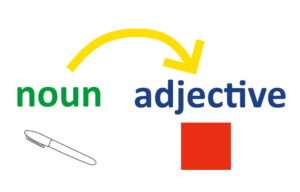
The ending of the adjective changes depending on the noun it follows. Portuguese adjectives have to “agree” with the noun they are describing – if the noun is masculine, then the adjective will probably end in an o. If the noun is feminine, then the adjective will probably end in an a:
- ele é baixo / he is short
- a cadeira é amarela / the chair is yellow
The word for ‘good’ changes depending on whether it is masculine, or feminine:
- bom = good (m) – e.g. o peixe é bom / the fish is good
- boa = good (f) – e.g. a pizza é boa / the pizza is good
Some adjectives are neutral and stay the same for both masculine and feminine nouns. These adjectives often end in e rather than o and a (e.g. intelligente and grande)
If the noun is plural, add an s to the end of the adjective (e.g. gatos pequenos / small cats)
See below for a list of adjectives in Brazilian Portuguese:
| tall | alto |
| short | baixo |
| short (length) | curto |
| long | comprido |
| small | pequeno |
| big | grande |
| easy | fácil |
| difficult | difícil |
| fun/funny | divertido |
| annoying/boring | chato |
| fat | gordo |
| thin | magro |
| young | jovem |
| old | velho |
When adjectives are placed before a noun
Although adjectives normally come after the noun in Brazilian Portuguese, sometimes they can appear before it. When this happens, the meaning often changes. For example, um homem grande means “a big man” (physically large), while um grande homem means “a great man” (an important or admirable person). Because the meaning can change, it is usually safest for beginners to place the adjective after the noun.
| 👈 Previous page | Next page 👉 |
| Countries and nationalities | Colours |